

Fashion eCommerce Finance: From P&L to Profitability
Specifically designed and created for leading fashion professionals.


The essential financial course for managers with responsibilities for P&L of a sales channel, Budget and Forecasting, Strategic and Financial Planning.
Fashion Finance Course Overview
Boost your e-commerce growth and profitability with expert budgeting and financial planning strategies.
This course is your gateway to mastering the fashion finance principles that shape the e-commerce industry. You’ll acquire the best practices adopted by CFOs of international brands for e-commerce financial strategy, including financial planning, budgeting, and performance optimization.
The Fashion Ecommerce P&L course is designed for e-commerce managers and fashion professionals who have responsibility for the sales channel financial performance. It equips you with essential fashion finance concepts to accurately manage and optimise e-commerce financial planning.
The course focuses on financial KPIs and standard best practices in e-commerce for fashion & luxury management. Includes the essential steps of budgeting, forecasting and reporting process in fashion brands and deep dives into revenue streams for ecommerce and cost control to ensure profitability.

next start date
⇢ Start anytime. Enrol and start the course immediately.
COURSE DURATION
⇢ 8 Hours (time to complete the course)
Delivery format
Online On-demand, Flexible study
5 Lessons
5 Practice labs
Online Practice with teacher feedback
Language: English
Subtitles: English and Italian
You can request subtitles in other languages after enrolling.
fees
€450
⇢ Included 1 live mentoring session of 30′
CERTIFICATION
Accredited Certificate of successful completion.
CPD Standards Certification
COMMITMENT
You need to complete this course within 6 months from enrolment
Why take this e-commerce financial course?
Imagine having the skills to not only grow a strong e-commerce business and optimise it for maximum profitability through effective financial strategy and planning. After taking this course, you’ll be able to confidently interpret financial statements and making strategic decisions that align with your financial goals, leading to continuous improvement and sustainable growth. This course will equip you with experts knowledge, techniques and success cases to make these visions a reality.
- You will learn the essential financial metrics such as Gross and Net revenue, Gross Margin, Operating Margin, EBIT and EBITDA.
- You will understand the budget process and the logic behind the financial targets and the company evaluation based on profitability.
- You’ll learn essential strategies to ensure a profitable ecommerce and managing cost of stock and investments.
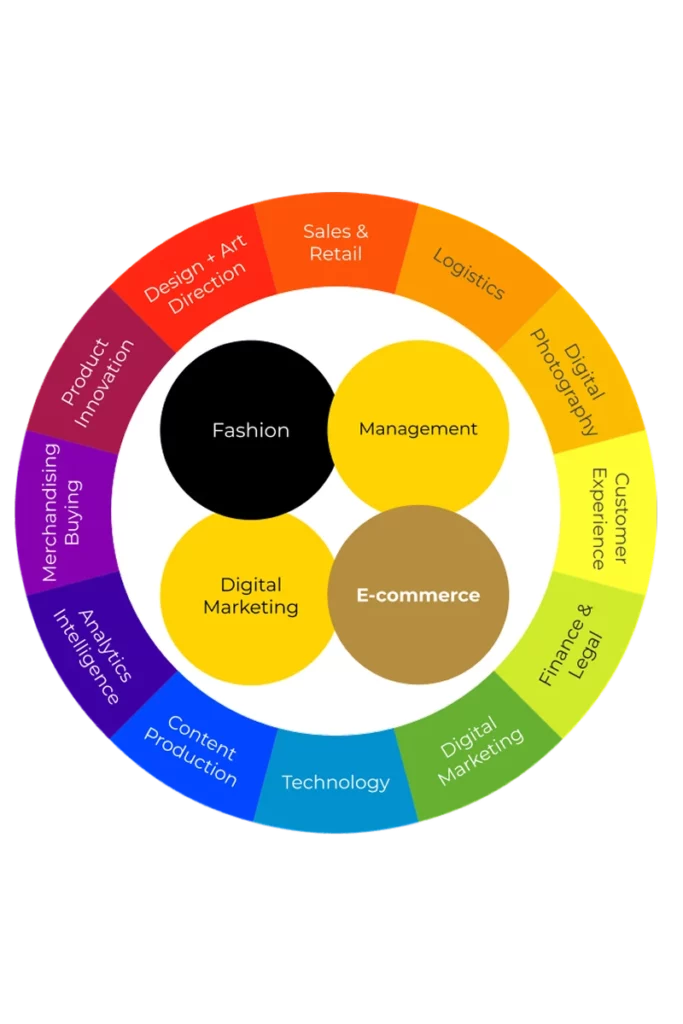
Fashion Finance Course Structure & Methodology
Discover a hands-on approach to professional training. DFA’s methodology is designed to keep professional training practical and results oriented. This course consists of five key lessons, delivered by industry experts who bring a wealth of practical experience and insights into fashion business, financial strategies and processes.
For each topic covered in the program we focus on meeting practical needs of the participants:
- Goals: Case studies: Explore real-world case studies and pragmatic exercises on e-commerce financial planning from leaders in international fashion companies
- Tools & KPIs: Acquire the tools and best practices for ecommerce financial planning ecommerce financial strategy
- Subject Experts: The point of view from both Fashion Finance experts and CFOs on ecommerce P&L management
- Network: Gain access to a global community of like-minded fashion professionals
Course details & enrolment
Flexible training: study wherever you are
- Course duration: Estimated 8.5 hours to complete the course, including 2 exercises
- Language: English. English and Italian subtitles available
- Learning Materials: video lessons, downloadable presentations, Google Sheets templates for exercises.
- Where & When: Online On-demand, start immediately
- Teachers: Enrico Fantaguzzi, Gilles Gaucher-Cazalis, Leonardo Pecchioli.
Fashion Finance Course Learning Goals
- This course is designed to give you a comprehensive understanding of the financial aspects of the e-commerce fashion industry.
- Not al P&L management courses are alike! Each lesson of this fashion finance course is crafted to offer valuable insights and practical knowledge, helping you master ecommerce financial planning and make strategic decisions that drive profitability.
- The course offers an insights on general financial processes of fashion & luxury companies
- Be at ease discussing financial KPIs and Goals with CFOs, CEOs
- Acquire practice in handling spreadsheet to manage Profit and Loss statements and analyse KPIs
Fashion E-commerce Finance certification
Professional certification in Fashion Finance for E-commerce
Earning a professional certification in Finance for E-commerce will help you stand out in the competitive fashion industry and open new career opportunities. This Fashion Finance course offers you the opportunity to acquire new skills, consolidate and expand your current knowledge and earn a certificate to prove your commitment to excellence.
Digital Fashion Academy Certifications are industry-validated and accredited by the CPD Standards Office, ensuring global recognition of your achievement. Upon completion, you’ll receive an official certificate that can be publicly shared on your professional profiles, showcasing your expertise to employers, peers, and the wider fashion community.

CPD Standards Accreditation
Accredited Fashion E-commerce Finance Course
This course is accredited with The CPD Standards Office, the UK based, international research-led accreditation body for Continuing Professional Development.
The Fashion eCommerce Finance: From P&L to Profitability course has been assessed against rigorous quality standards to ensure relevance, structure, and learning impact. This accredited certificate signifies a commitment to delivering structured, high-quality learning experiences that meet CPD best practices.
This Fashion Finance course is eligible for CPD Certification and it’s valid towards CPD hours calculation.

Who is this course for?
This fashion finance course aims to train the role of E-commerce Director and Digital Sales Managers for Fashion & Luxury brands. Discover the processes, techniques and best practices used by managers and directors . You will learn how to create a Profit & Loss statement for fashion Ecommerce, drive revenue and strengthen the financial performance of your ecommerce. You’ll learn a KPIs driven approach to e-commerce management.
This fashion finance course online is for fashion professionals who want to acquire a deep understanding of the financial principles and best practices that make ecommerce and digital sales profitable
- Junior professionals working in fashion companies who want to specialise and grow their career in E-commerce, Digital retail, Marketplaces Management and Digital Wholesale.
- Mid-to-senior marketing professionals who want to upgrade their skills with a strong financial knowledge.
- Fashion entrepreneurs who need to integrate their expertise with specific e-commerce financials knowledge.
- Professionals from agencies, software providers and consultants who need to work with fashion ecommerce brands and digital retailers
Fashion Finance Course Programme
Learn to plan sales, build an ecommerce P&L, control costs and explain financial performance to senior management. Through fashion ecommerce examples, Enrico Fantaguzzi, Leonardo Pecchioli and Gilles Gaucher-Cazalis show you how to turn financial data into practical decisions.
What you’ll learn in the Fashion Finance course
- Build an ecommerce budget using historical data, clear assumptions and alternative scenarios.
- Interpret net sales, gross margin, contribution margin, EBITDA and EBIT.
- Forecast sales using traffic, conversion rate and average order value.
- Estimate operating costs and assess the financial impact of investments.
- Present ecommerce performance and investment proposals from a CFO’s perspective.

Lesson 1: Forecast Demand and Plan Profitable Ecommerce Growth
Instructor: Enrico Fantaguzzi, former E-commerce and Digital Manager at Gucci, Tod’s, Twinset, Woolrich, Paul & Shark and 7 For All Mankind
Build a sales forecast using traffic, conversion rate and average order value. Compare the contribution of organic search, paid media, email and other channels, using historical performance to support your assumptions. Evaluate growth opportunities such as new markets, marketplaces, conversion improvements and marketing investment.
What you’ll learn:
- Estimate sessions, orders and sales by acquisition channel.
- Connect demand generation targets with the marketing budget required to reach them.
- Assess proposed growth initiatives against their expected return and effect on margin.
Why it matters: A credible growth plan shows where additional sales will come from and what it will cost to generate them.
Topics include: Fashion business models, market structure, sales channels, brand positioning and product lifecycle
Lesson 2 & 3: Making Ecommerce Efficient, Ecommerce Costs, CapEx & OpEx
You will learn how to streamline your ecommerce business to enhance profitability while gaining a deep understanding of your competitive landscape. You’ll also master financial strategies to optimise costs and develop a solid grasp of key Ecommerce Profit and Loss cost items.
Instructor: Enrico Fantaguzzi
Estimate the cost of running an ecommerce channel, including content production, payment fees, logistics, customer service, technology, staff and advertising. Separate recurring operating expenses from project investments, and examine how an investment affects cash flow and future profit.
What you’ll learn:
- Estimate costs using historical data and input from the teams responsible for each activity.
- Identify which costs change with sales volume or operational workload.
- Distinguish operating expenses from capital expenditure and consider depreciation or amortisation in the P&L.
- Prioritise projects according to expected impact, effort and investment.
Why it matters: Controlling costs and understanding the full effect of investments helps protect ecommerce profitability as the business grows.
Lesson 4 & 5: How to Read a Fashion Ecommerce P&L, Financial KPIs, Financial Planning and the Ecommerce Business Model
Instructor: Leonardo Pecchioli
Understand how financial goals differ according to a brand’s priorities, from growth and customer acquisition to profitability and investment control. Follow the budgeting cycle from goal setting and historical analysis to scenario planning, approval, performance monitoring and reforecasting.
What you’ll learn:
- Identify the stakeholders, assumptions and data needed to prepare an ecommerce budget.
- Develop base, best and downside budget scenarios.
- Connect the performance of an online store or other digital sales channel with the company’s financial goals.
Why it matters: A useful budget makes its assumptions visible and gives teams a shared basis for decisions throughout the year.
Follow the figures from gross sales to net sales, gross margin, contribution margin, EBITDA and EBIT. Examine how discounts, returns, product costs, marketing, fulfilment and other operating expenses affect profitability. Explore the different information provided by the P&L, balance sheet and cash flow statement.
What you’ll learn:
- Interpret the principal lines and financial KPIs in an ecommerce P&L.
- Distinguish variable costs from fixed costs and understand their effect on contribution margin.
- Explain why growth in sales does not necessarily lead to growth in profit or cash.
Why it matters: Reading the full P&L helps you judge whether commercial activity is creating sustainable financial results.
Lesson 5: Ecommerce Performance from a CFO’s Perspective
Discover what a finance director examines when reviewing ecommerce results and requests for investment. Connect revenue, gross margin and EBITDA with inventory, working capital and cash. Consider the financial effects of markdowns and returns, and learn to explain an ecommerce initiative in terms senior management can evaluate.
What you’ll learn:
- Present ecommerce performance and explain differences between forecasts and actual results.
- Set out the expected return, costs and risks of a proposed initiative.
- Understand how stock decisions and working capital affect the wider business.
Why it matters: Financially sound proposals help ecommerce and finance teams make decisions together and allocate resources effectively.
Are you looking for training for your brand or your company? The digital marketing course can be tailored to your needs. For more information please contact us.
What Does Fashion Finance Mean?
Fashion finance is all about managing the money behind fashion businesses—especially in e-commerce and retail. It helps brands stay profitable, competitive, and financially healthy by focusing on budgeting, cost control, revenue, and financial planning. Here’s a simple breakdown of what fashion finance includes:
- Understanding Profit & Loss (P&L) : Tracks all money coming in (sales) and going out (expenses) while using key financial metrics like Gross Revenue, Net Revenue, Gross Margin, Operating Margin, EBIT, and EBITDA to assess profitability.
- Budgeting and Financial Planning: Setting budgets for marketing, stock, and operations while forecasting demand to avoid overstocking or understocking. Budgets are adjusted seasonally to align with fashion trends.
- Understanding Revenue Streams: Covers different ways to generate income, including direct online sales, wholesale partnerships, subscription services, influencer collaborations, and selling through digital marketplaces.
- Controlling Costs for Profitability: Focuses on reducing production and operational costs, ensuring efficient marketing spend, and managing return-related expenses to protect profit margins.
- Key Performance Indicators (KPIs): Measures financial success through metrics like Gross Margin, Net Profit Margin, Customer Acquisition Cost (CAC), Average Order Value (AOV), Conversion Rate, and Return on Ad Spend (ROAS)..
- The Role of the CFO (Chief Financial Officer): Ensures financial strategies align with business goals by deciding where to invest, controlling costs, and making adjustments to drive profitability while keeping the company financially competitive.
Meet your instructors
Meet the Managers who contributed to this Fashion Ecommerce Course. Learn from senior fashion & luxury professionals actively working in top brands. Gain expert insights remotely from industry leaders, agencies, and tech innovators.

Enrico Fantaguzzi
Co-founder at DFA
Formerly manager at Gucci, Tod’s, Yoox, Walt Disney.
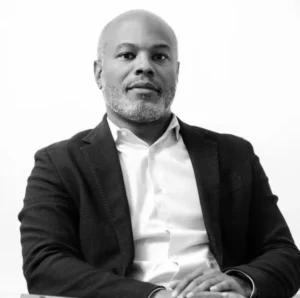
Gilles Gaucher-Cazalis
MD of SpectR Consulting,
Former CFO at Philipp Plein and Finance Director at Michael Kors.

Leonardo Pecchioli
Former CFO at Guess Europe.
Chairman Keros Digital SA.
Former CFO at Guess Europe. Ex KPMG.
What our students say
Our students appreciate the hands-on training, the networking opportunities and the experience brought by senior fashion & luxury managers.

Laly
Fractional Growth Partner for DTC Brands
A must for anyone working in (or around) fashion e-commerce
“I absolutely loved this course: it was clear, complete, and genuinely filled the gaps in my knowledge. I’ve worked in e-commerce and comms for years, but I never studied business itself. I really needed someone to explain complex financial topics in a way that made sense, without skipping concepts or overcomplicating things, and this course nailed it.
It’s totally worth the investment. Whether you’re directly managing financials or working in a different department, understanding the P&L mindset is crucial to making smarter, more profitable decisions. This course gives you that mindset. 100% recommended.”

Martina
Ecommerce Merchandising Specialist at Gucci
Recommended
“I recommend this course to all interested in pursuing a career in digital and those who already occupy managerial positions, both for the variety of topics covered and for updating on the latest tools.”

Gabriella
Ecommerce Manager at Kocca
Rich and Complete
“For those who want to deepen and enrich their skills and knowledge, the ecommerce management course was rich, complete, suitable both for those who are approaching the digital world and for those who area already part of it”
FAQs
Can I start anytime?
The attendance is flexible, you can attend anytime and anywhere within 6 months from enrolment.
I’m a fashion entrepreneur is this course suitable me?
This course is recommended for fashion entrepreneurs, business owners, e-commerce managers and other professionals who need to acquire a deep understanding of fashion brands budgeting processes and financial KPIs.
Is there a certification at the end of the course?
Yes. Upon successful completion, you will receive a Certificate of Achievement by Digital Fashion Academy accredited by CPD Standards Office.
What CPD Standards Office?
The CPD Standards Office is a UK-based organization that provides accreditation for Continuing Professional Development (CPD) activities to ensure their quality and relevance. It works with training providers, coaches, and other educators to assess and certify their courses, events, and learning resources to meet specific standards. Its mission is to improve the quality and accessibility of CPD, helping professionals find trustworthy and effective learning opportunities to enhance their skills and knowledge.
What are Continuous Professional Development Hours – CPD Hours?
CPD hours are the time a professional spends in active learning to develop and maintain their skills, knowledge, and experience throughout their career. One CPD hour is typically equal to one hour of learning, which can include attending a training course, online workshop, or other structured learning activities, and is logged to meet a profession’s or institution’s continuing professional development requirements.
How can I pay for the course?
You can pay by credit card, paypal or bank transfer. Credit cards and PayPal offer pay by instalment solutions.
I’m a professional with a busy schedule, is the attendance to lesson flexible?
Yes, attendance is completely flexible. You can complete the training at your own pace, on your own schedule.
In which languages are the lessons available?
The lessons are available in English. The subtitles are currently available in English and Italian but we can add a language upon request, please reach out to us via the contact us form if you need a specific language to be added.
How can I enrol in the fashion finance online course?
To enrol in this course you need to buy the course online and you’ll receive the user name and password to access the course shortly after completing the purchase of the course.
Is there live coaching or mentoring included in the course?
Yes, there is a complimentary session of mentoring included in the price of the course. The mentoring session duration is 30 minutes and you can choose the mentor you to talk to from our mentors page.