

Understand China’s digital ecosystem and plan your market approach
Explore Chinese consumers, marketplace entry models, store operations and social commerce through fashion and luxury brand case studies with Arianna Pigliavento.


Ecommerce in China: Marketplaces & Social Media Management
Connect market entry, marketplace operations and customer engagement.
A business-focused course for fashion professionals who want to understand how to reach Chinese consumers, evaluate digital sales channels and connect marketplaces with social media and omnichannel marketing.

Course overview
Discover the distinctive features of China’s digital economy and how they shape consumer behaviour, brand discovery and ecommerce. Explore a mobile-first, interconnected landscape in which marketplaces, content and communities work together.
The course covers Tmall and Tmall Global, JD.com and JD Worldwide, alternative marketplaces and market entry models. Examine store types, cost structures, logistics, fulfilment, partner selection, launch preparation and store performance management.
Connect this operational perspective with WeChat, Xiaohongshu (RED), Douyin, Weibo, Bilibili and Kuaishou. Brand case studies illustrate digital-first entry, marketplace choices, community building, influencer collaborations and livestream commerce. The final section introduces omnichannel marketing, AI commerce tools and profit-and-loss considerations.
Course key facts
Instructor
Arianna Pigliavento
Course focus
China ecommerce, marketplaces and social media management
Programme
Five thematic sections covering market understanding, entry, operations, social media and marketing
Industry perspective
Fashion, luxury, jewellery and sportswear brand case studies
Course details
Duration 2.5 hours of video lesson. Downloadable slides and templates, English language with Subtitles, Enrol now and start immediately, 12 months access.
Enrolment
Enrol Online and start the course immediately.
Learning outcomes
By the end of the course, you will be able to:
- Understand Chinese digital behaviour: explain how mobile-first habits, trust, younger consumers and omnichannel journeys shape brand engagement.
- Compare marketplace options: distinguish the roles of Tmall, Tmall Global, JD.com, JD Worldwide and alternative platforms.
- Evaluate entry models: compare cross-border ecommerce, a local business entity and distribution approaches.
- Assess operating requirements: identify store models, cost categories, logistics and fulfilment considerations.
- Evaluate local partners: consider third-party service providers (TPs) and distributors, including experience, communication and contract terms.
- Plan a store launch: identify documentation, contracts, payment setup, product shipment, warehouse preparation, store design and catalogue needs.
- Monitor store performance: understand the importance of platform ratings, logistics, customer reviews, after-sales and customer service.
- Connect social platforms with commerce: assess content, communities, KOL and KOC collaborations, livestreaming and brand storytelling.
- Develop a connected channel approach: relate marketplace marketing, omnichannel journeys, AI commerce tools and P&L considerations.

Ecommerce in China Course Programme
Five sections connect consumer understanding with market entry, store operations and a coordinated marketing approach.

1. Understanding China’s Digital Ecosystem and Consumer Behaviour
- Overview of China’s digital economy: interconnection, mobile-first behaviour and innovation.
- China’s digital landscape: major technology groups, connected platforms and shorter customer journeys.
- Chinese consumer behaviour: digital engagement, trust, younger generations, national pride and omnichannel expectations.
- Case study: Veja’s digital-first approach, Tmall flagship store and offline pop-up collaboration.
2. China Marketplaces and Market Entry Models
- Marketplace overview and the role of platforms in awareness and sales.
- Alibaba ecosystem: Tmall and Tmall Global, including domestic and cross-border operating considerations.
- Case study: Coach’s multi-store approach on a single platform.
- JD.com and JD Worldwide: platform ecosystem and positioning.
- Other marketplaces: Poizon, Secoo and Vip.com.
- Chinese-origin marketplaces serving Europe: Temu, Shein and AliExpress.
- Entry models: cross-border ecommerce with a TP, a local business entity and distribution.
- Case study: Missoma’s China entry through Tmall Global, localised selection and KOL/KOC collaboration.
3. Marketplace Store Models, Costs and Operations
- Tmall and Tmall Global: business models, store types and cost structures.
- JD.com and JD Worldwide: business models, store types and cost structures.
- Poizon and Vip.com: business models and cost considerations.
- Logistics and fulfilment approaches across Tmall, JD and Poizon.
- TP and distributor selection: scouting, service scope, commercial models, communication and contracts.
- Case studies: Farfetch and Prada, illustrating the role of local platforms and traffic.
- Store launch: documentation, platform contracts, payment setup, service agreements, shipping, warehousing, layout, product information and catalogue upload.
- Store KPIs: platform ratings, logistics, reviews, after-sales, service and product quality.
- Case study: Stefano Ricci’s JD.com flagship store and service standards.
4. Chinese Social Media Ecosystem
- Overview of Chinese social media and its role in awareness, discovery, acquisition and retention.
- WeChat: mini programs, shops, private communities, newsletters, service and loyalty.
- Case study: Lululemon’s Sweat Life mini program and community building.
- Xiaohongshu (RED): discovery, reviews, storytelling, KOL/KOC collaboration and livestreaming.
- Case study: APM Monaco’s RED activity and influencer collaborations.
- Douyin: short video, livestream commerce, advertising and product discovery.
- Case study: Michael Kors’ The Walk Shanghai campaign and user participation.
- Weibo, Bilibili and Kuaishou: platform roles, audiences and content approaches.
5. Marketing and Omnichannel Strategy
- Connect discovery, livestreaming, product reviews and marketplace purchase across the customer journey.
- Case study: Nike’s omnichannel approach.
- Marketplace marketing tools across Tmall and JD, alongside social media marketing.
- Livestream commerce: real-time product presentation and customer interaction.
- Case study: Zara’s editorial approach to livestreaming.
- AI tools for ecommerce: virtual try-on and virtual shopping assistants.
- Profit-and-loss planning: financial considerations for a China ecommerce operation.
Benefits of understanding ecommerce in China
Build the knowledge to make more informed channel, partner and marketing decisions.
- Evaluate routes to market: compare platforms and entry approaches.
- Connect strategy with operations: understand the requirements behind store setup and management.
- Localise engagement: relate brand content to Chinese social platforms and consumer expectations.
- Coordinate channels: connect marketplace sales with content, communities and customer service.
Who is this course for?
Designed for professionals evaluating or managing digital business with Chinese consumers.
- Fashion and luxury ecommerce managers.
- International business development, export and marketplace teams.
- Brand, digital marketing and social media professionals.
- Retail and omnichannel managers.
- Entrepreneurs and consultants evaluating a China market approach.
Why choose this course?
Connect China market understanding with practical operating and marketing considerations.
- A connected programme: follow the journey from consumer behaviour to entry models and store operations.
- Fashion and luxury examples: learn through brand cases spanning footwear, apparel, jewellery and sportswear.
- Platform context: compare marketplace and social media roles.
- Commercial perspective: consider partner models, costs, KPIs and P&L.
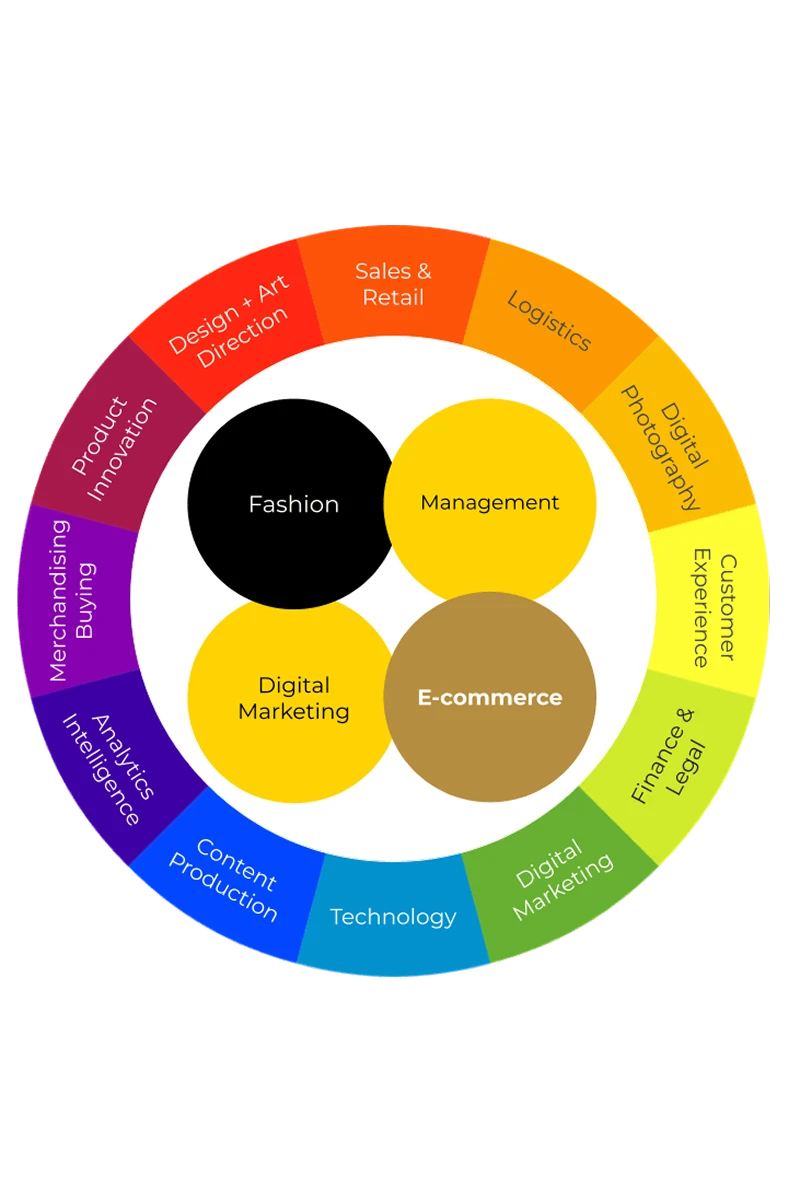
Learning experience & methodology
The course combines platform comparisons, operational frameworks and brand case studies.
- Compare market entry models and marketplace positioning.
- Review store operations, fulfilment and partner selection.
- Examine how Chinese social media supports different stages of the customer journey.
- Study Veja, Coach, Missoma, Farfetch, Prada, Stefano Ricci, Lululemon, APM Monaco, Michael Kors, Nike and Zara.
- Connect channel planning with marketing tools, AI applications and financial considerations.
The emphasis is on understanding how the different parts of China’s ecommerce ecosystem work together.
Meet your instructor
Arianna Pigliavento
Learn from a fashion marketplace professional with a perspective on China’s digital ecosystem.

Arianna Pigliavento
Arianna Pigliavento is Senior Business Development Manager for the Fashion Category at Tmall Global, part of Alibaba Group. At Digital Fashion Academy, she teaches Ecommerce in China, sharing insights into Chinese consumers, marketplace strategies, cross-border ecommerce and social commerce for fashion and luxury brands.
Ecommerce in China
Plan your next learning step
Contact Digital Fashion Academy for delivery details, course materials, completion requirements and any certificate available with this course.
Individual enrolment or team training
Explore the course for your own professional development or ask about training options for your team.
Study Ecommerce in China
Build your understanding of Chinese consumers, marketplaces, store operations and social media. Contact us for fees, format, duration and access information.
Discuss team training
Ask Digital Fashion Academy about training options for colleagues involved in China market entry, ecommerce, marketplaces and marketing.
FAQs
What does the course cover?
Five sections cover China’s digital ecosystem and consumers, marketplaces and entry models, store costs and management, social media, and marketing and omnichannel strategy.
Which marketplaces are included?
The programme examines Tmall, Tmall Global, JD.com, JD Worldwide, Poizon, Secoo and Vip.com, with a separate overview of Temu, Shein and AliExpress serving Europe.
Will I learn about cross-border ecommerce?
Yes. The course compares cross-border ecommerce, local business entities and distribution models, including the role of third-party service providers (TPs).
Does the course cover launch and operating costs?
Yes. Topics include store types, cost structures, partner commercial models, logistics, fulfilment and P&L. Contact us for the scope of any supporting planning materials.
Which social platforms are covered?
The programme includes WeChat, Xiaohongshu (RED), Douyin, Weibo, Bilibili and Kuaishou.
Does the course include influencer marketing and livestreaming?
Yes. Topics include KOL and KOC collaborations, livestream commerce, communities and brand storytelling, illustrated by fashion and jewellery case studies.
Which brand case studies are included?
Examples include Veja, Coach, Missoma, Farfetch, Prada, Stefano Ricci, Lululemon, APM Monaco, Michael Kors, Nike and Zara.
Does the course cover AI?
The final section introduces AI commerce applications such as virtual try-on and virtual shopping assistants.
Who is the instructor?
Arianna Pigliavento. The course materials introduce her as Senior Business Development Manager, Fashion Category, at Tmall Global (Alibaba Group).
Will I receive a certificate?
You will receive a certificate of successful completion of the course at the end of it.
How can I enrol or enquire about team training?
Use the form below to request fees, availability, enrolment information or training options for your team.
Ecommerce in China — Contact us
Ask about course availability, fees, format, access terms or training for your team.